Recently, Business Administration students participated in an exciting field-learning session as part of the course Administrative Service, through the “Practical Learning” extracurricular series held at three culturally and historically significant locations in Ho Chi Minh City: the Ton Duc Thang Museum, the Central Post Office, and Nguyen Van Binh Book Street.
The experience was designed to help students apply classroom knowledge to real-life situations—especially within the administrative and service sectors, which demand professionalism, flexibility, and effective communication. Through hands-on interactions with visitors, teamwork activities, and completing tasks under time pressure, students were able to practice essential skills such as communication, persuasion, logical thinking, teamwork, time management, and problem-solving—competencies that are crucial for any future professional.
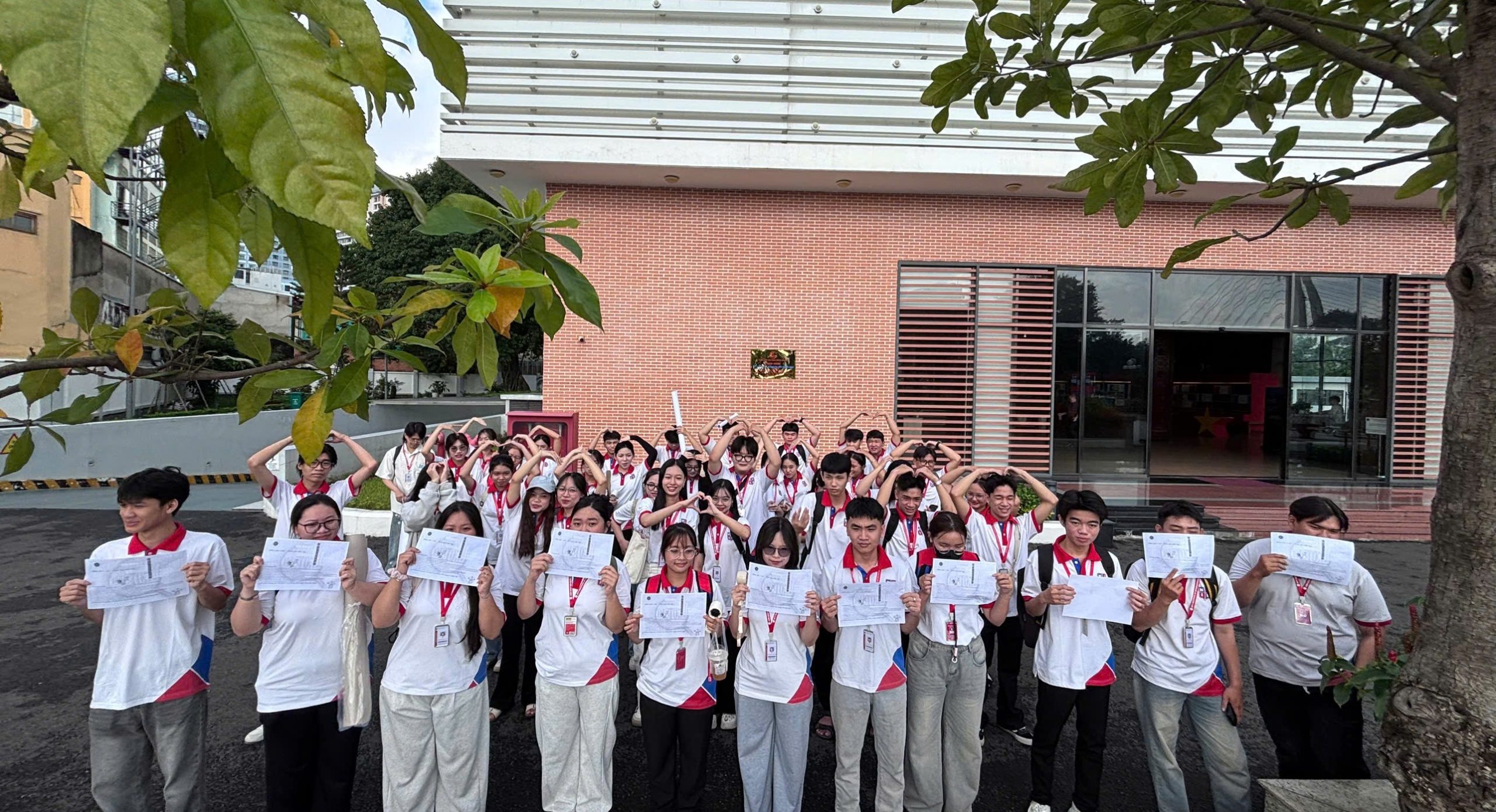
The trip began at the Ton Duc Thang Museum, where students explored the life, career, and humanitarian spirit of the revolutionary leader. Beyond historical value, the museum offered students the chance to observe the operations of public services, visitor reception procedures, and information management systems—elements that closely connect with their field of study.
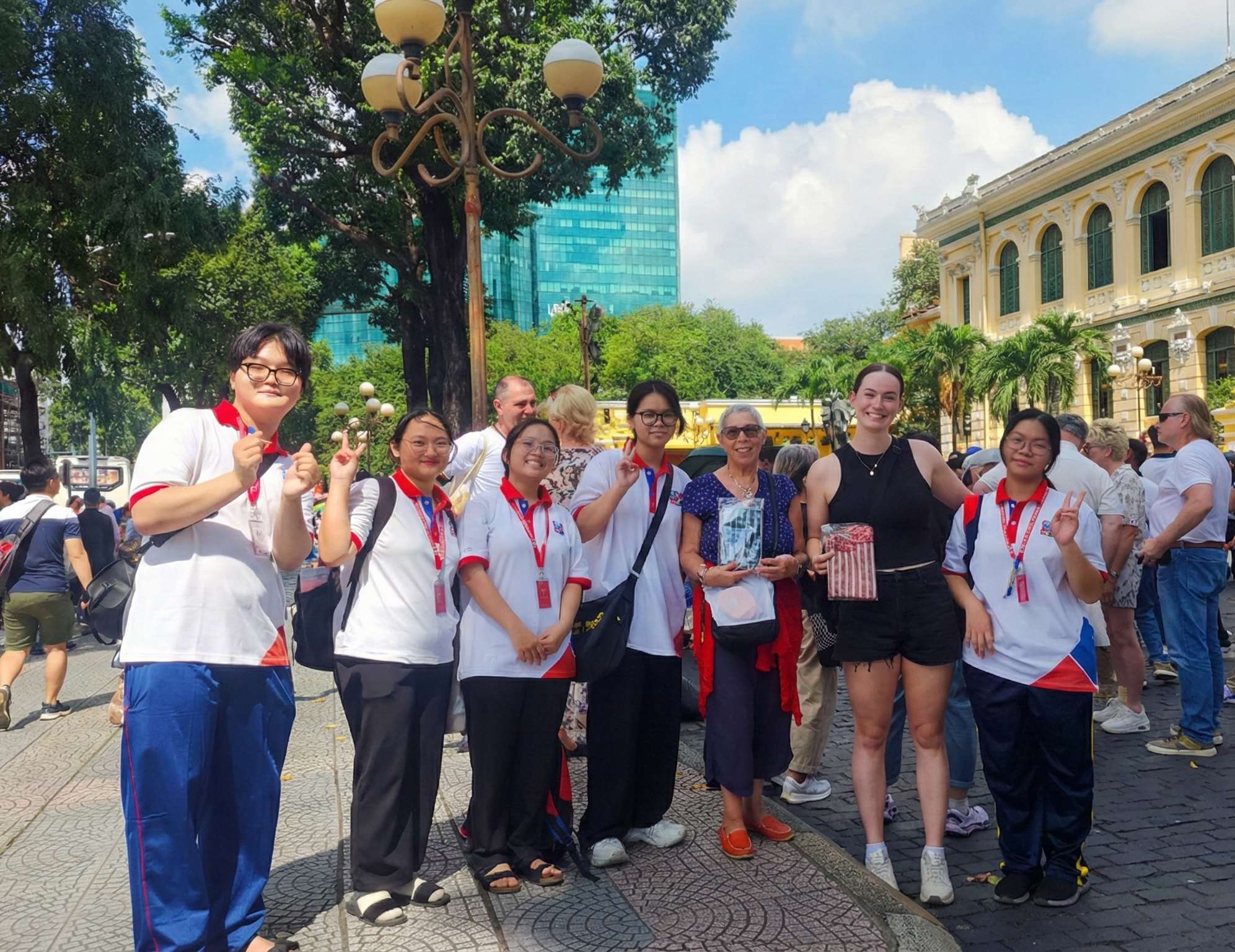
From the museum, students continued to Nguyen Van Binh Book Street, a cultural icon of the city. Here, each group received a series of practical “soft challenges” requiring initiative, finesse, and strong teamwork. They were tasked with approaching and interviewing four visitors—both locals and foreigners—to learn about their reasons for visiting the book street, reading habits, and perspectives on the importance of communication in the workplace.
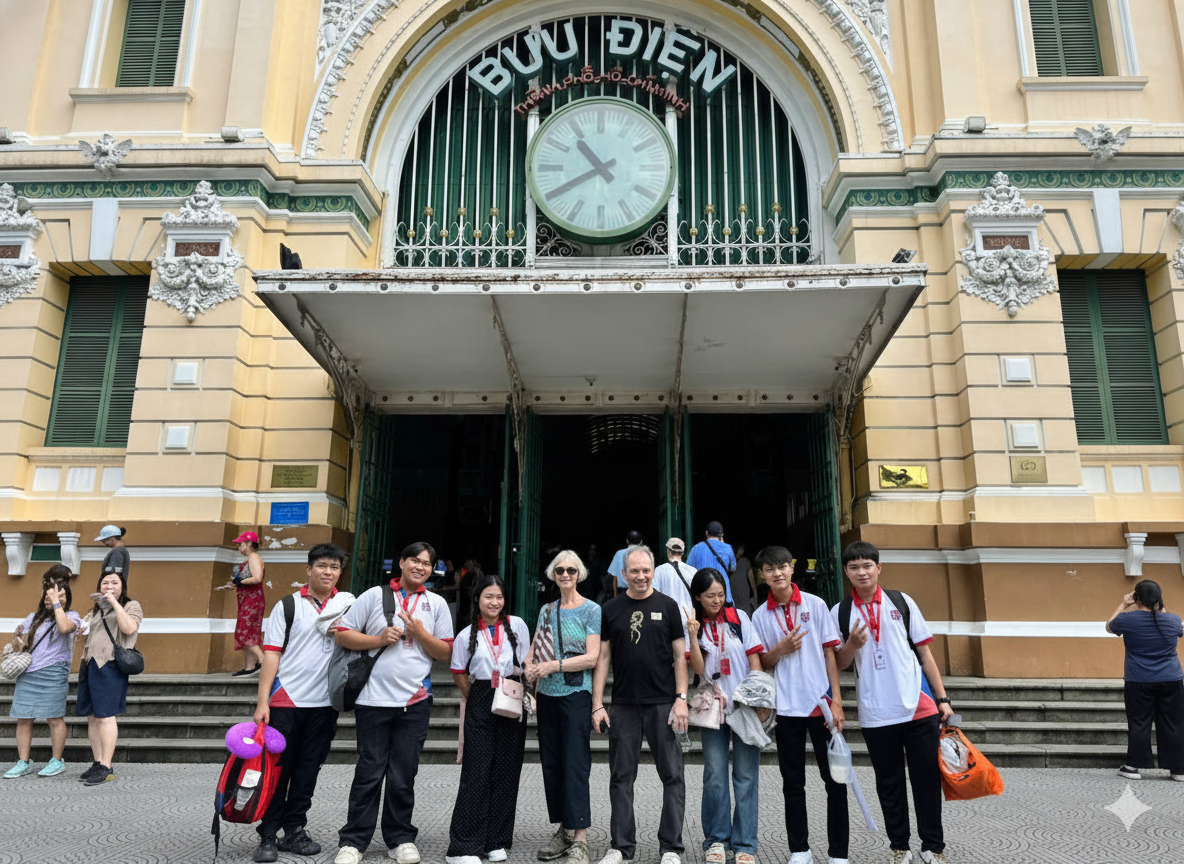
Students were also required to find a book based on a theme assigned by the lecturer within a limited time. Next, they had to persuade customers to purchase a souvenir item or book designated by the lecturer—an activity that strengthened their skills in communication, persuasion, presentation, and situational handling. Finally, each group had to read and summarize a book using a mind map on an A0 paper sheet, helping them synthesize information quickly, logically, and visually.
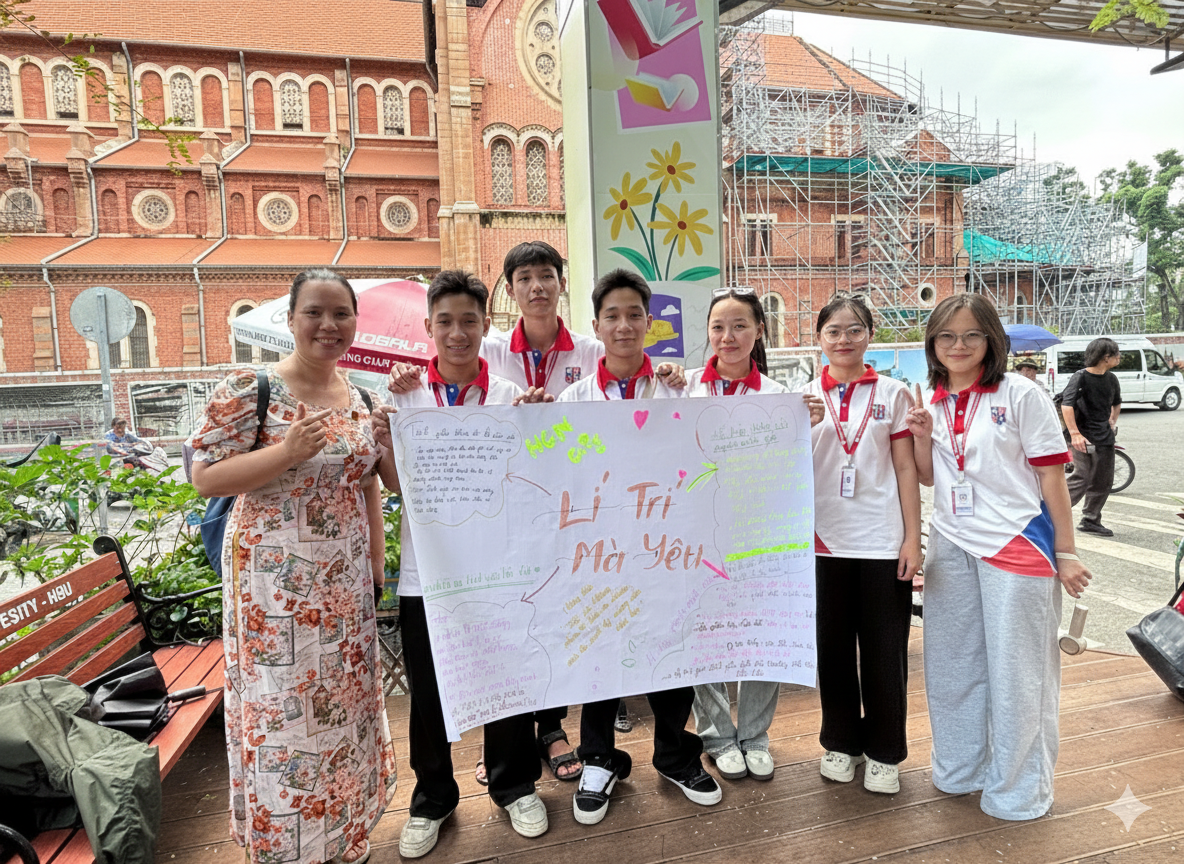
The session concluded with a discussion and Q&A with the lecturer, where students shared what they learned, the challenges they faced, and their key takeaways. The open, energetic atmosphere encouraged them to feel more confident when dealing with communication and service situations in real-world environments.
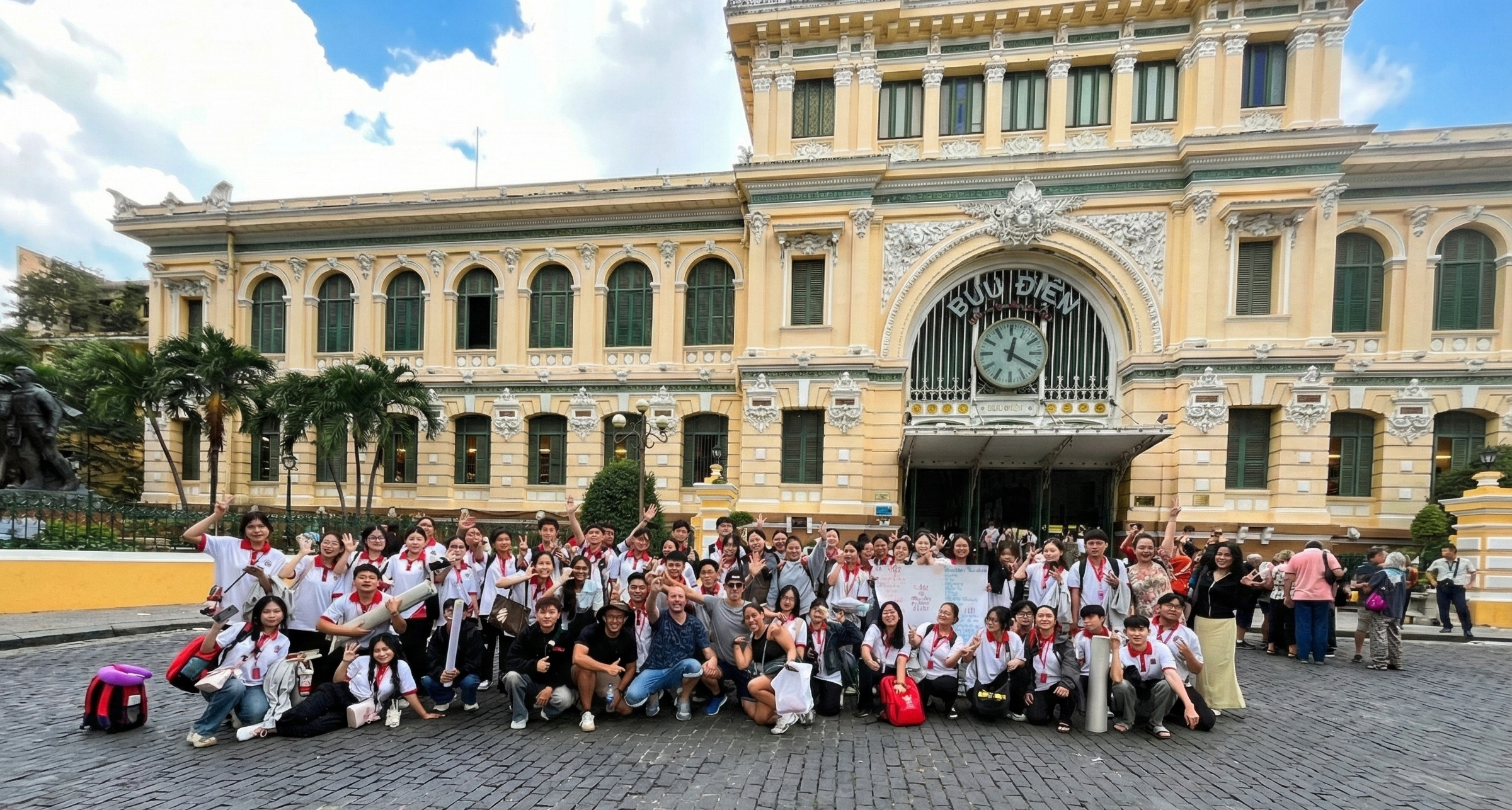
This learning journey not only provided academic knowledge but also fostered initiative, sharp observation, and adaptability—essential qualities for young professionals in the modern era. NIIE believes that experiences like these help students build a strong foundation to conquer future academic and career challenges.
See you again in the next experiential journey!