The hospitality industry is often associated with a dynamic environment, international exposure, and professional service experiences. However, behind every efficiently operated hotel lies a wide range of challenges related to human resources, technology, operational strategy, and sustainable development. These were also the key themes explored by Hospitality Management students at NIIE Institute (Interlingual Institute of Education) – Nguyen Tat Thanh University during their Graduation Thesis Defense for Semester 2 of the 2025–2026 academic year.
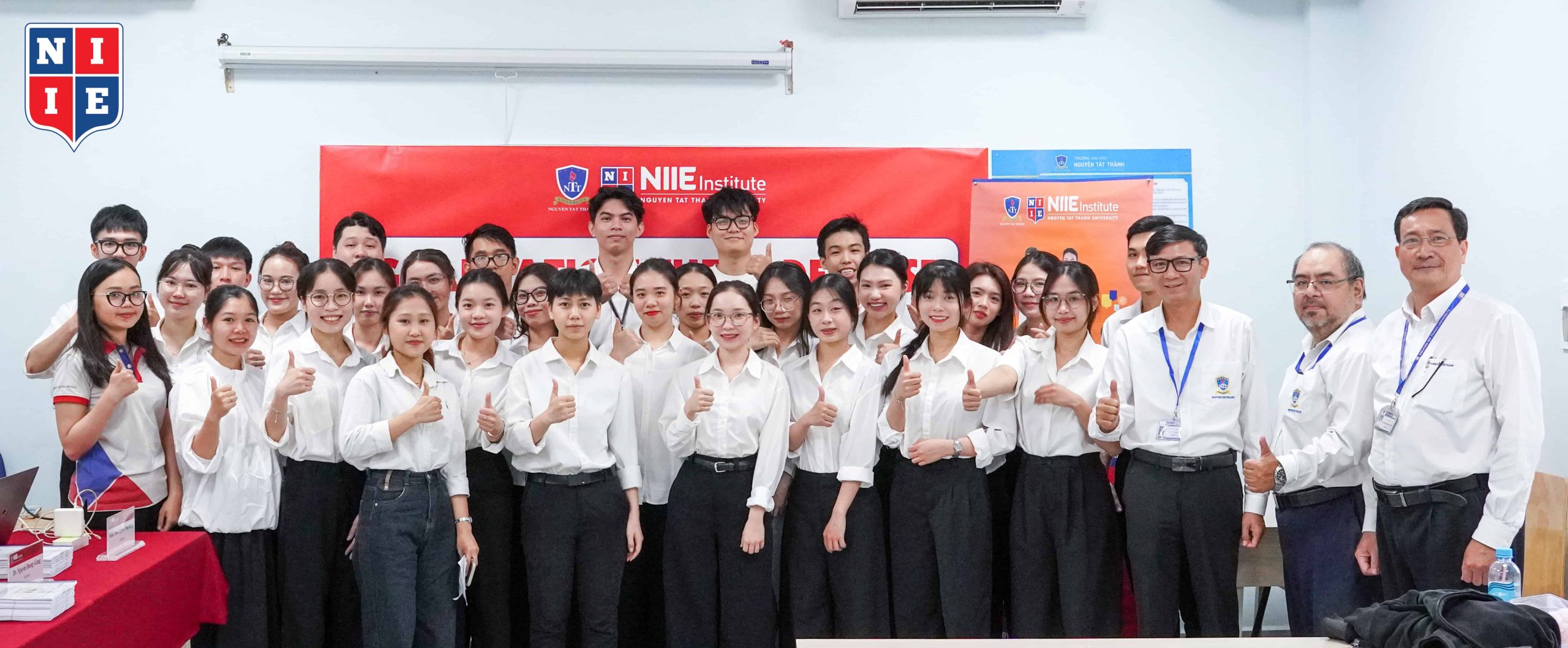
Serving on this year’s thesis evaluation committee were experienced lecturers and researchers in the hospitality and service industry. The committee consisted of Assoc. Prof. Dr. Nguyen Van Hoang as Chairman, Dr. Nguyen Duong Giang as Reviewer, and Dr. Doan Ngoc Tuan as Secretary.
One of the most notable aspects of this year’s thesis season was the diverse range of perspectives students brought to the hospitality industry, covering topics such as digital transformation, sustainable development strategies, human resource management, and customer experience in modern service environments.
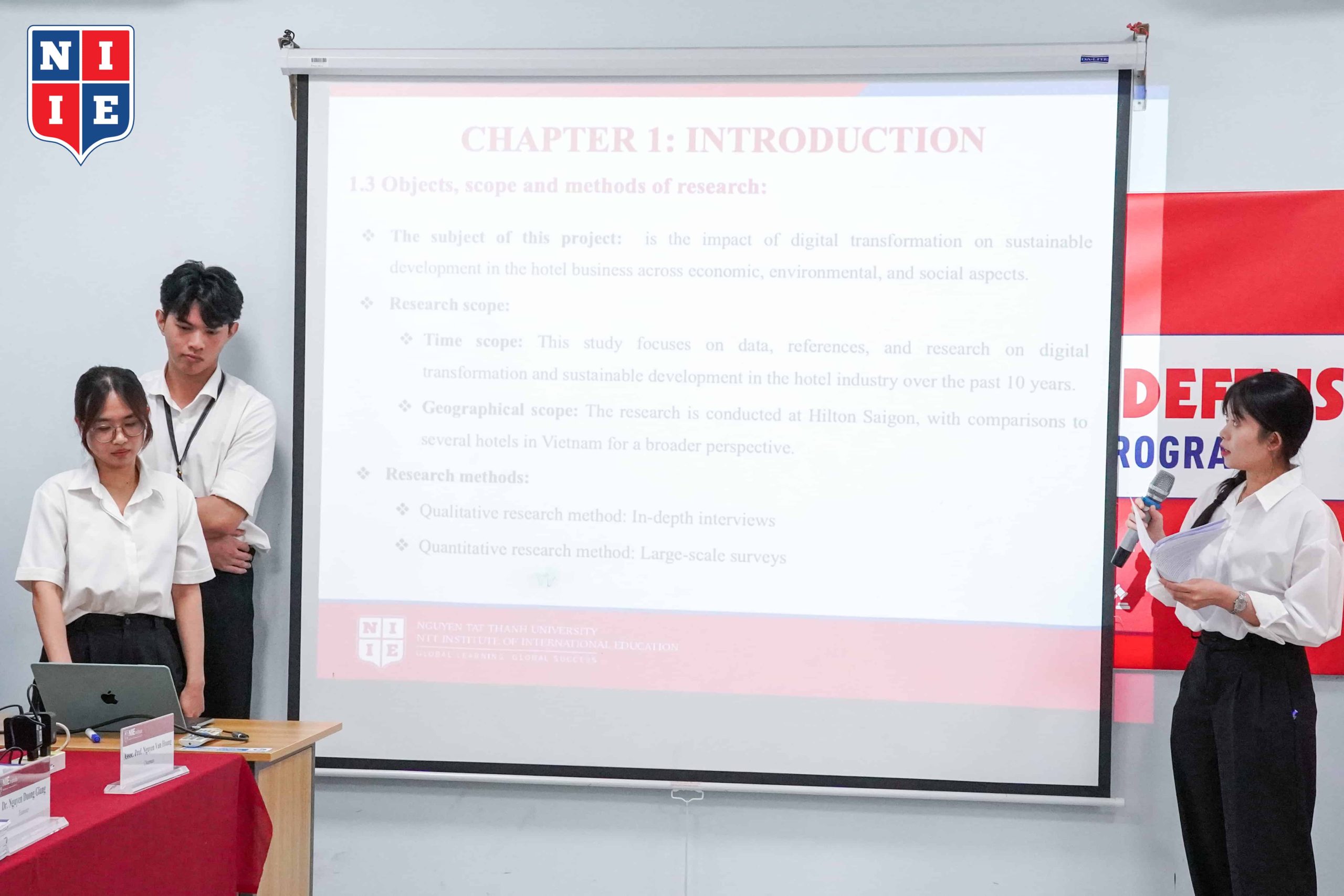
One of the most attention-grabbing topics examined the impact of digital transformation on sustainable development at Hilton Saigon Hotel. From applying technology in operational management to enhancing customer experience, the student group analyzed how hotels are adapting to the ongoing digitalization trend within the service industry. At the same time, the thesis titled “The Impact of Green Strategy on the Sustainable Development of Sabina Hotel” approached the industry from a different perspective: how hospitality businesses can develop in a more environmentally sustainable manner. From resource-saving initiatives and waste management practices to increasing environmental awareness in daily operations, the research demonstrated students’ growing interest in sustainable development within the tourism and hospitality sector.
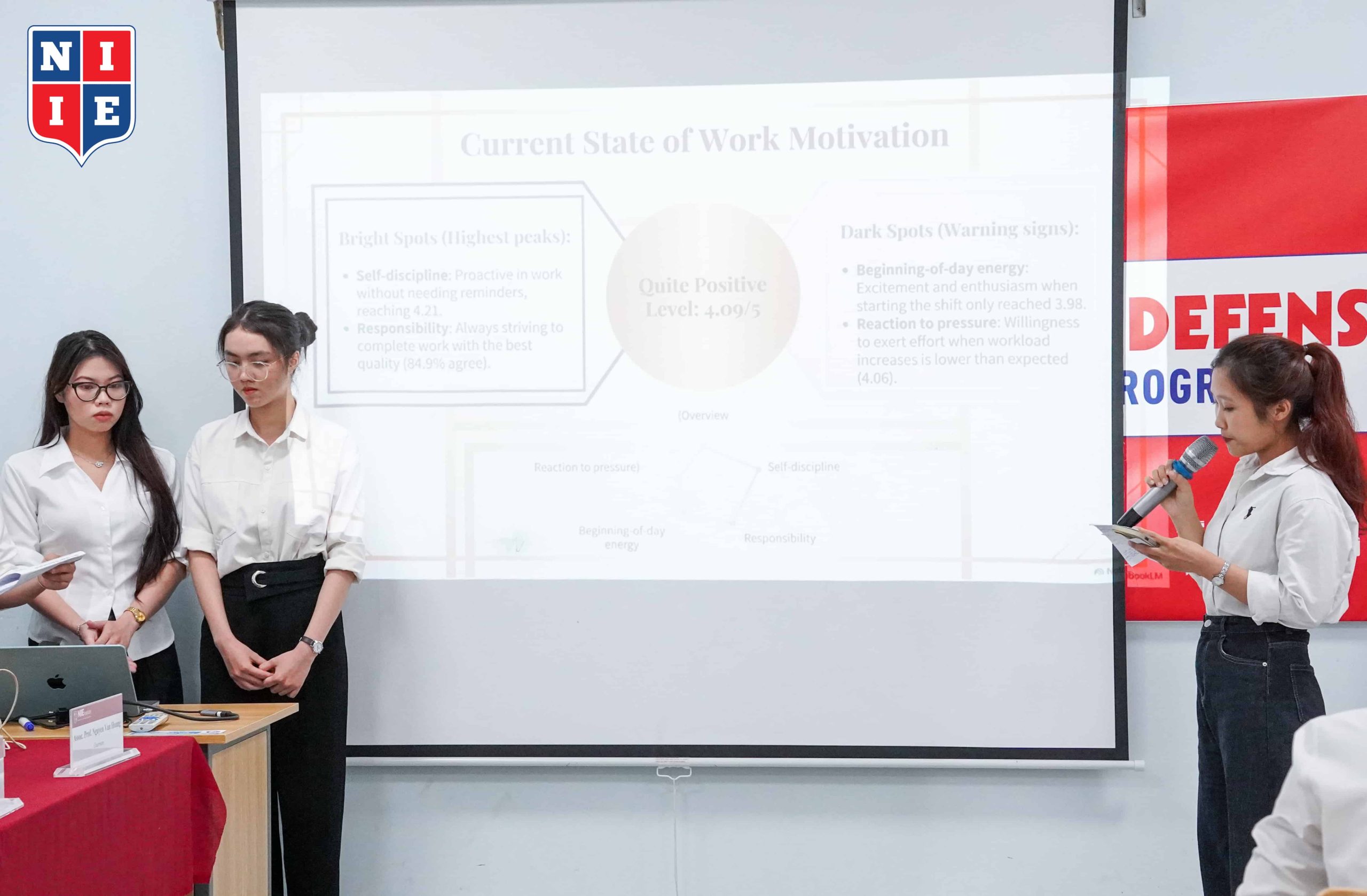
Notably, several groups chose to investigate mental health and workplace environments in Ho Chi Minh City’s hospitality industry. This relatively new research direction reflects the changing way service organizations view human resources and corporate culture.
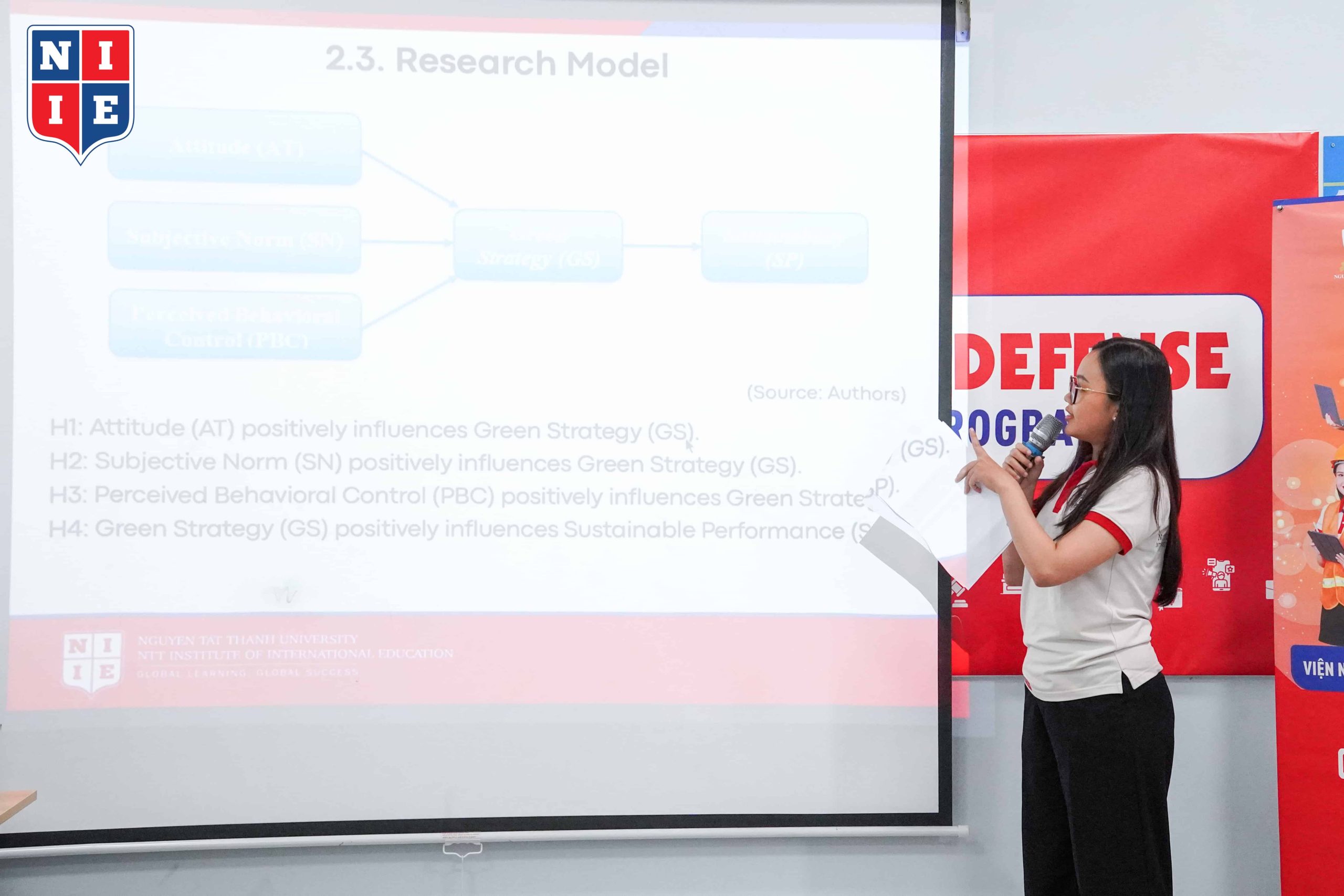
Throughout the defense session, committee members raised numerous practical questions regarding the feasibility of proposed solutions, implementation methods within businesses, and approaches to research data analysis. This enabled students not only to strengthen their professional knowledge but also to improve their presentation, critical thinking, and problem-solving skills within a professional academic environment.
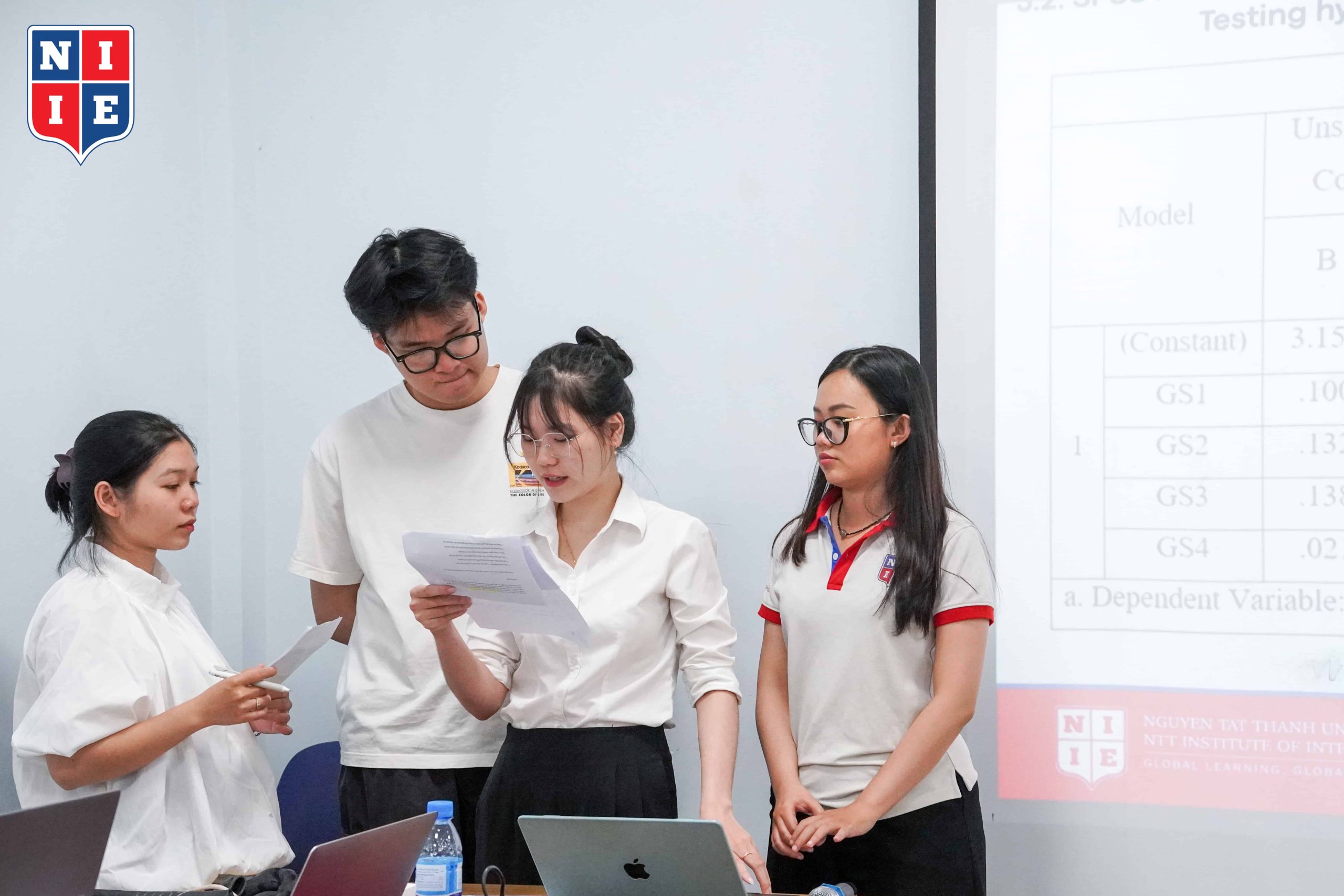
Overall, this year’s graduation thesis projects highlighted how Hospitality Management students at NIIE are approaching the industry from broader and more comprehensive perspectives. Hospitality is no longer viewed solely through the lens of service operations; it is increasingly connected to technology, data, people, and sustainable development in the modern era. Through the thesis journey, students not only strengthened their academic foundations but also gained valuable opportunities to connect classroom knowledge with real-world business practices. This serves as an important stepping stone, helping them become more confident as they prepare to enter the hospitality and service industry after graduation.