Over the past few years, AI has rapidly transformed the way people learn, work, and communicate. Today, we can use ChatGPT to draft emails, Gemini to translate documents, or AI-powered tools to provide near real-time interpretation during meetings. As a result, many students have begun asking a practical and intriguing question: “If AI can already translate everything, do we still need to learn English?”
In reality, AI has made language learning more accessible than ever. However, most educational experts and international researchers agree that AI does not make learning English obsolete. On the contrary, in the age of AI, those who are proficient in English often enjoy even greater advantages in both education and their careers.
1. Some Facts That May Surprise You
1.1 AI Can Translate Languages, but It Cannot Fully Replace Human Communication
One of the most common misconceptions today is the belief that being able to “translate” is the same as being able to “communicate.” In reality, communication involves much more than converting words from one language to another. It includes emotions, reactions, context, culture, and the ways people connect with one another.
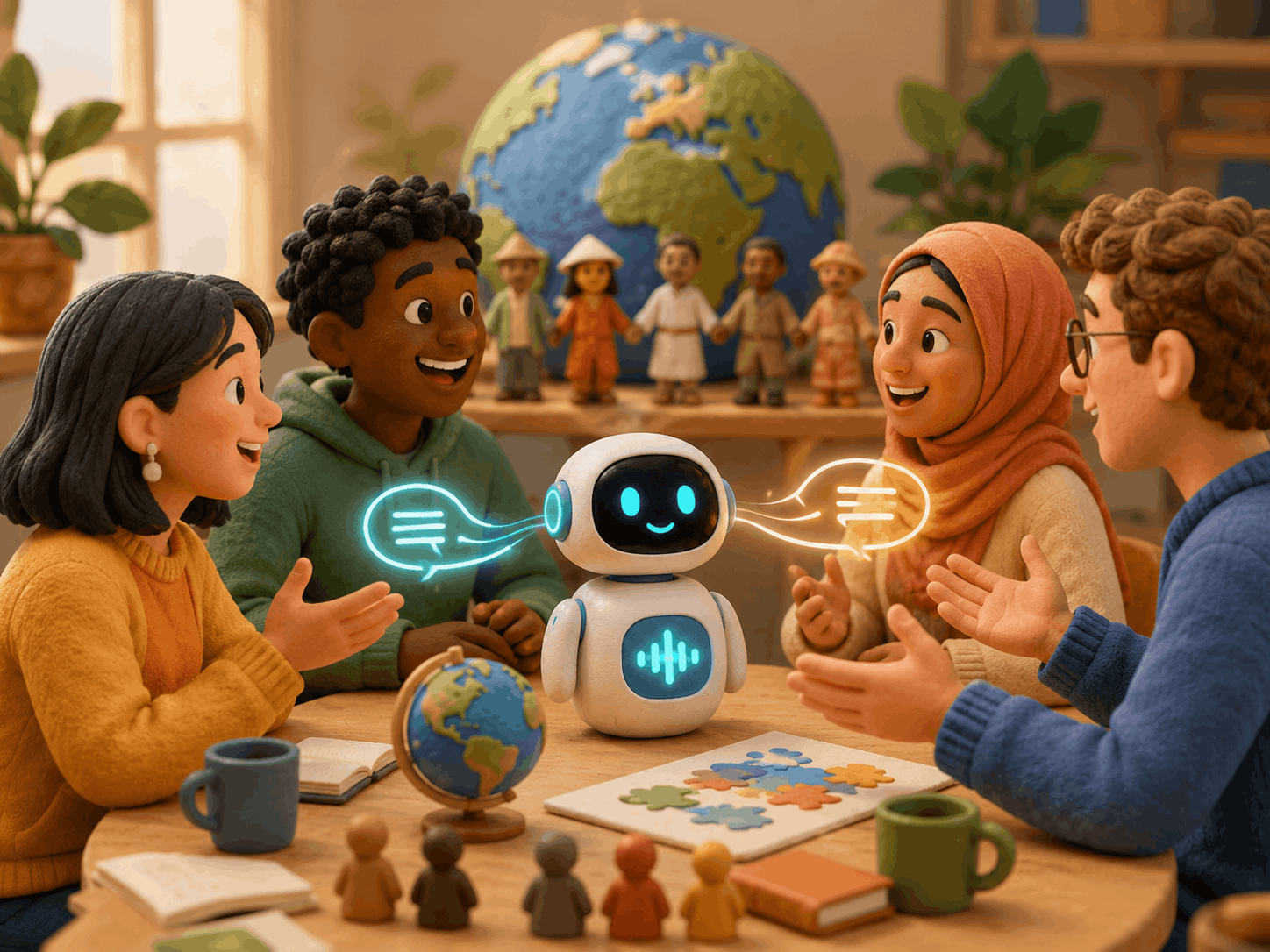
AI can translate languages effectively, but it cannot replace human communication in international working environments.
AI can help translate a paragraph quickly, but it cannot present on your behalf, build relationships, negotiate, or handle real-life communication situations in academic and professional settings. UNESCO has also emphasized that AI translation technology should not be viewed as a substitute for language learning, as the human aspects of communication remain beyond AI’s capabilities.
This becomes even more evident in international environments, where English serves not only as a tool for translation but also as the language of teamwork, idea exchange, and cross-cultural collaboration.
1.2 English Proficiency Provides a Significant Advantage When Working with AI
Another interesting fact is that AI systems currently perform most effectively in English. Most academic resources, technological research, datasets, and large AI models are initially developed in English. As a result, individuals who are proficient in English often have an advantage in leveraging AI more effectively.
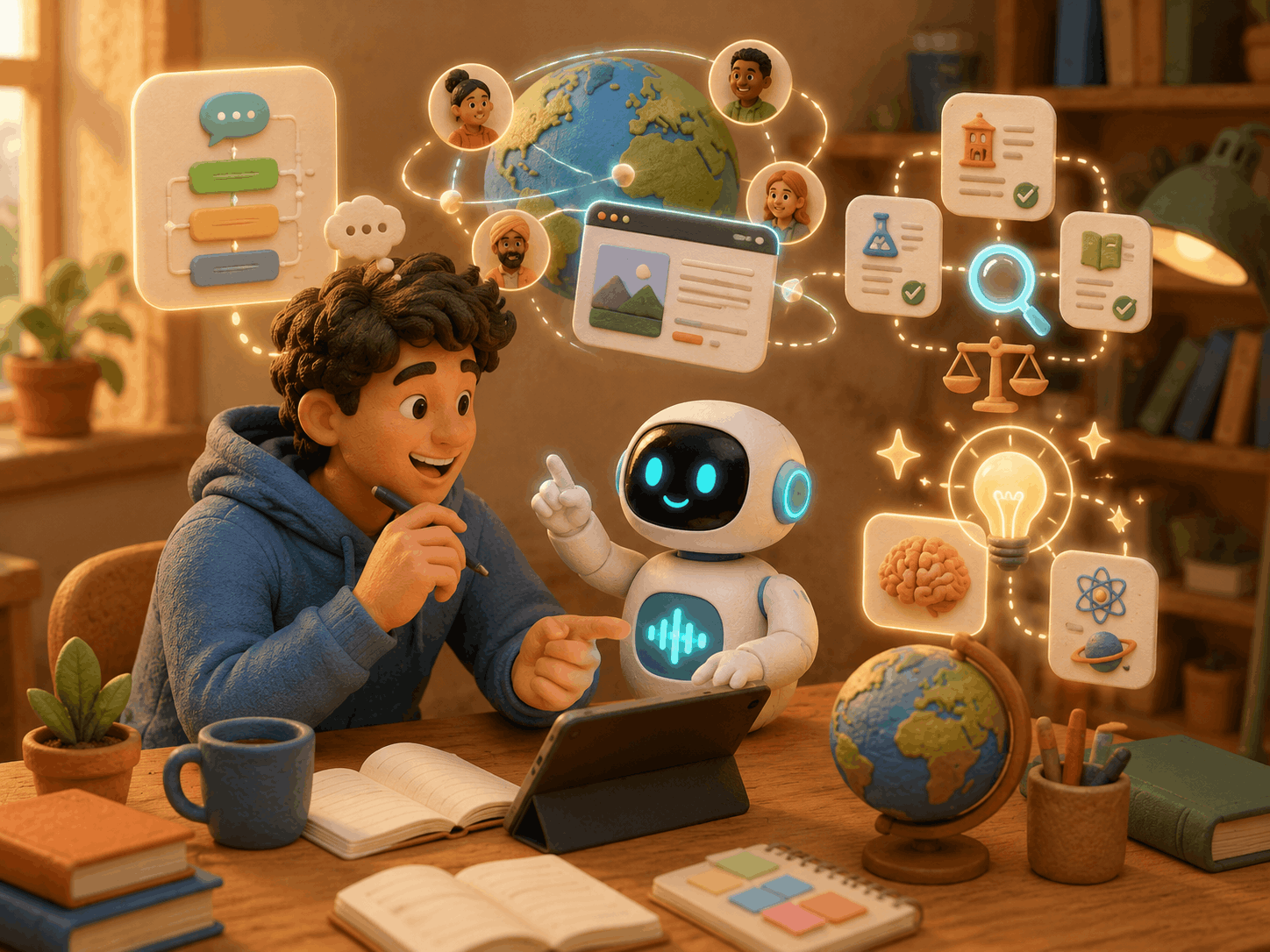
For example, when using AI for learning or professional purposes, English-speaking users can:
- Write clearer and more precise prompts
- Access international resources more quickly
- Verify information from multiple sources
- Gain earlier access to new knowledge and innovations
In the AI era, knowing English is no longer simply about understanding translations—it is increasingly becoming a capability that enables people to work more effectively alongside technology.
1.3 The More AI Advances, the More Important Human Skills Become
According to the Future of Jobs Report 2025 by the World Economic Forum, the most important skills for the coming years include critical thinking, adaptability, communication, teamwork, and analytical thinking. These are also the skills that AI cannot fully replace.
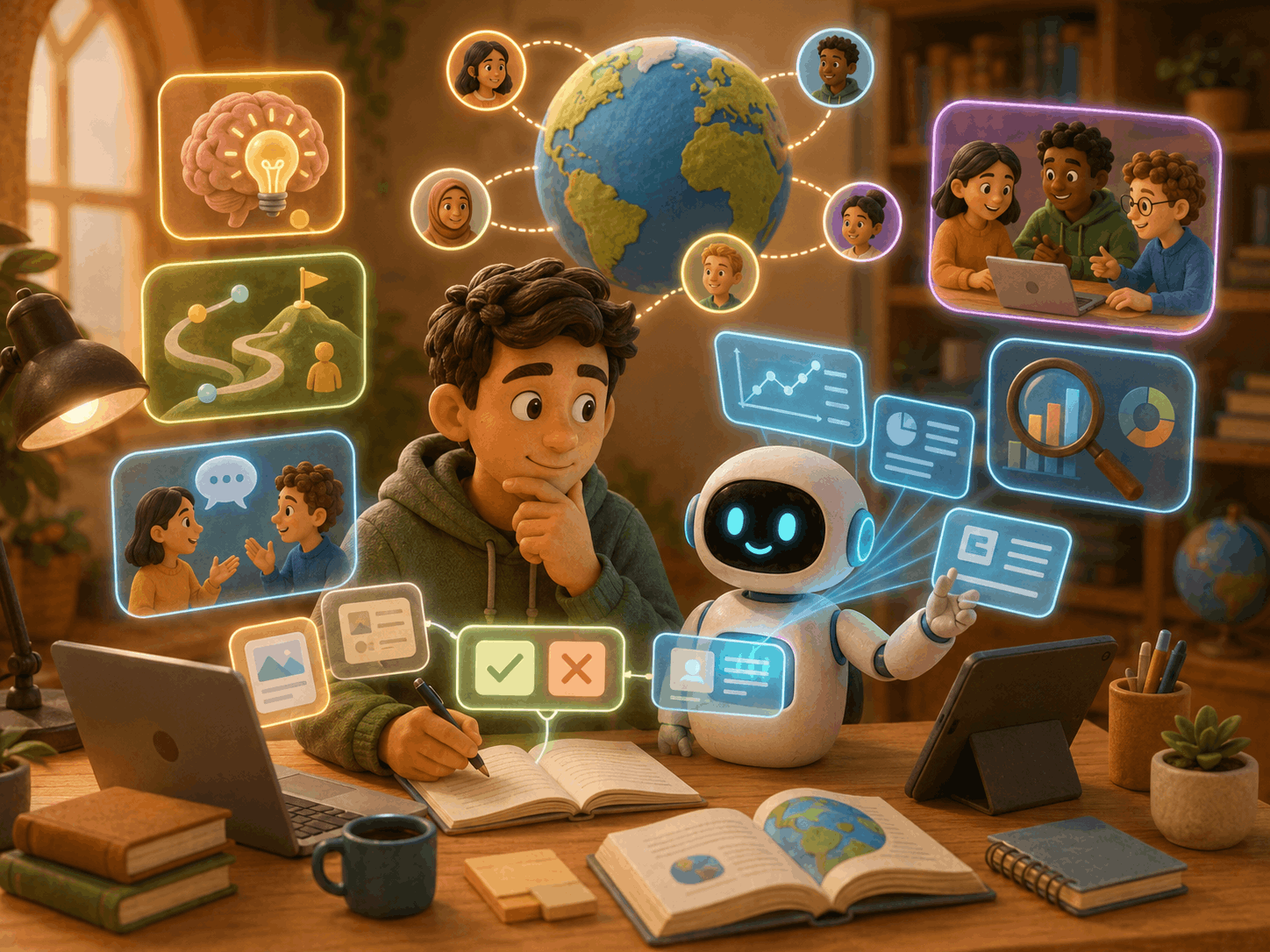
AI can generate answers quickly, but determining whether those answers are accurate, relevant, and appropriate still requires human judgment. Therefore, the ability to learn independently, think critically, and deeply understand complex issues will become increasingly valuable in the future workplace.
Moreover, English allows students to access a wide range of international perspectives and resources rather than relying solely on translated or summarized content. This is one reason why many employers today are not simply seeking individuals who “know how to use AI,” but rather those who can continuously learn and adapt in a global environment.
2. Learning English at NIIE: A Pathway from Fundamentals to B2 Proficiency
Many high school students still feel hesitant about bilingual learning environments because they worry that their English foundation is weak or that they lack confidence in communication. However, at NIIE Institute (Interlingual Institute of Education) – Nguyen Tat Thanh University, students follow a structured six-level English learning pathway, progressing from fundamental skills to a B2 proficiency level (equivalent to IELTS 5.5–6.0).
In the initial stages, students strengthen their English foundation, become familiar with a bilingual learning environment, and improve their communication reflexes. As their skills develop, they continue building academic and professional English competencies through presentations, teamwork, projects, and various learning activities.
This pathway helps students gradually develop the ability to use English effectively in academic settings, everyday communication, and professional environments. More importantly, the goal extends beyond obtaining language certificates—it is about empowering students to confidently access international knowledge, utilize technology effectively, and adapt successfully to the AI-driven workplace.
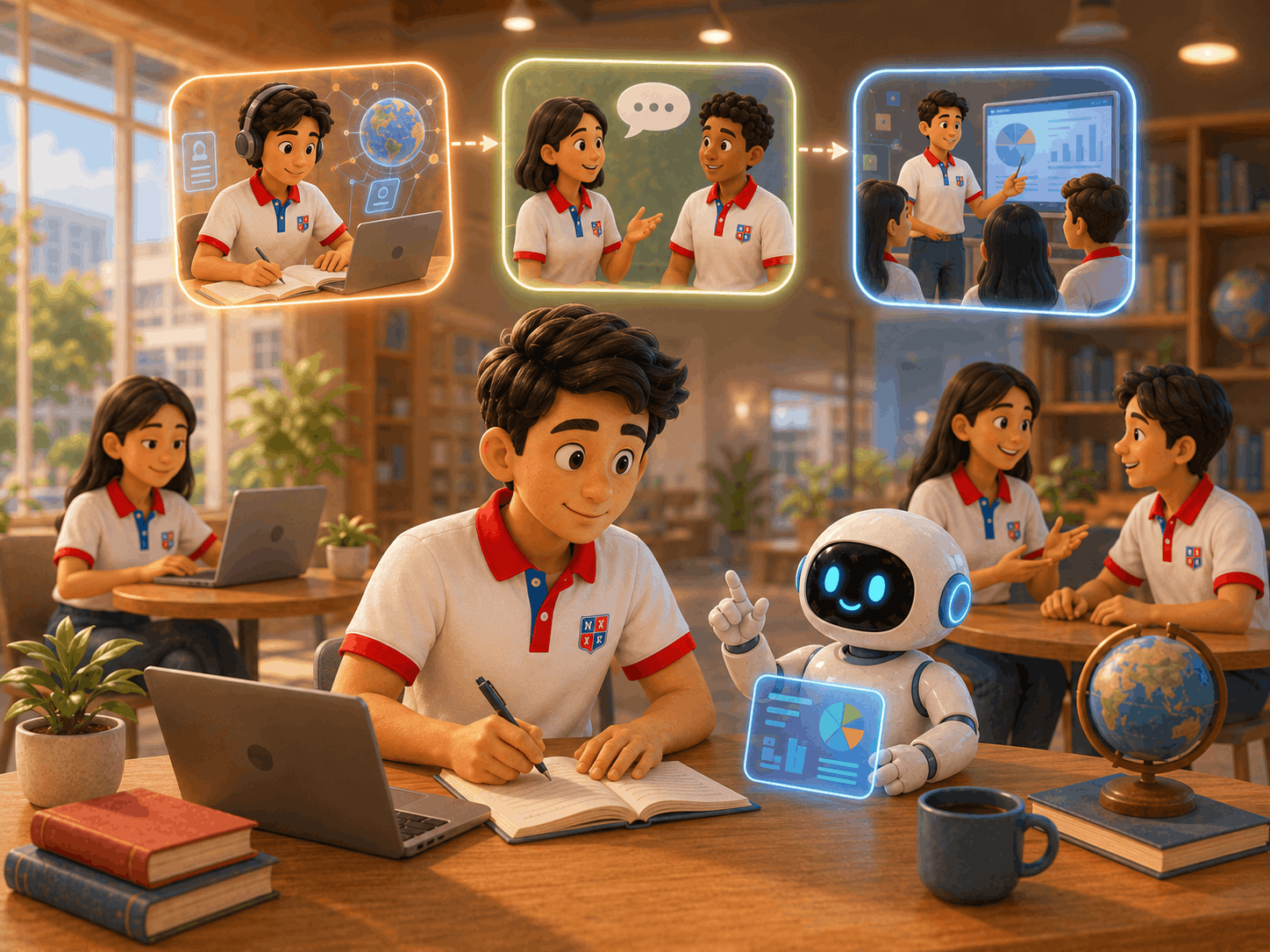
It is clear that AI is changing the way people learn and work every day. However, this does not make English any less important. On the contrary, in a world where technology evolves rapidly, English is increasingly becoming a key tool that enables young people to connect globally, access new knowledge, and collaborate more effectively with AI.
If you are looking for a learning environment that helps you develop English proficiency from a basic foundation to practical application in both academic and professional contexts, the international-standard programs at NIIE Institute (Interlingual Institute of Education) – Nguyen Tat Thanh University are well worth exploring.